Festive Herb Roast Turkey
Highlighted under: Festival Food
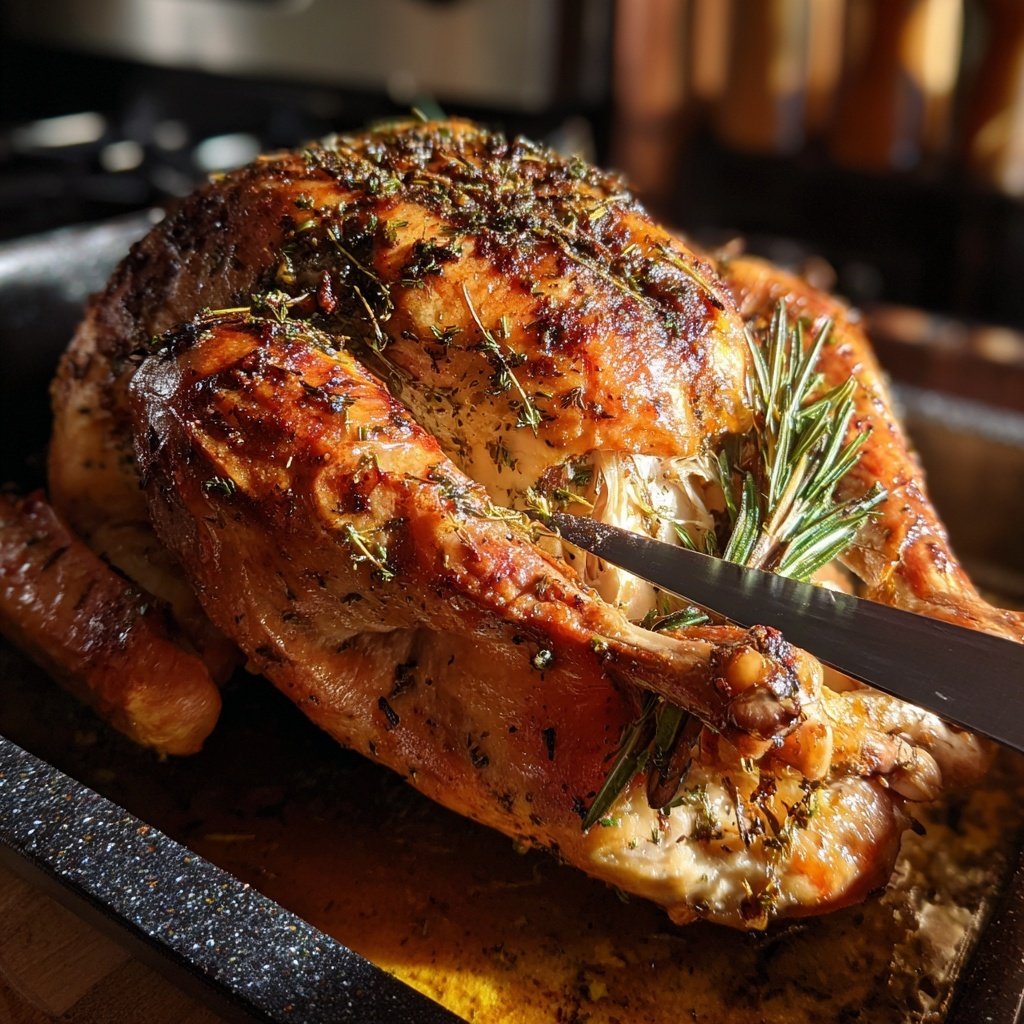
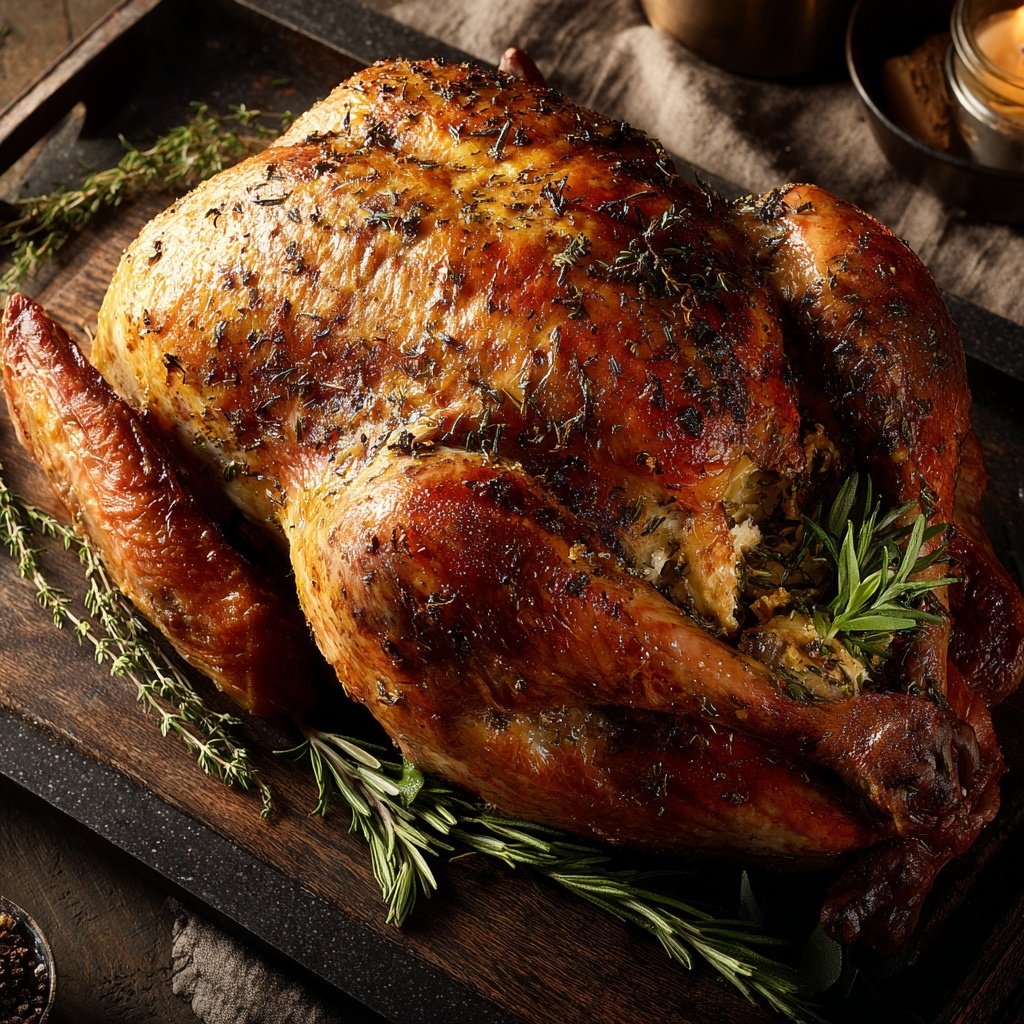
I love preparing a Festive Herb Roast Turkey for our holiday gatherings. There's something truly delightful about the aroma of herbs permeating the air as the turkey roasts in the oven. This recipe has become a family tradition over the years, bringing smiles and warmth to our table. It’s all about infusing the turkey with the right combination of herbs and spices, allowing it to develop a rich flavor that keeps everyone coming back for seconds. Trust me, this will be the centerpiece of your holiday feast.
I remember the first time I made this Festive Herb Roast Turkey. It was a chilly Thanksgiving, and I wanted to create something special for my family. The blend of rosemary, thyme, and sage truly elevates the flavor of the turkey, making it something everyone looks forward to each year. I also love how allowing the bird to rest after roasting enhances its juiciness.
Over the years, I've experimented with different herb combinations, but I've found that sticking to this simple mix really highlights the turkey's natural flavors. I highly recommend using a meat thermometer to ensure perfect doneness. This technique guarantees a beautifully roasted turkey each time!
Why You'll Love This Recipe
- Aromatic herb blend enhances the turkey's natural flavors
- Perfectly juicy and tender meat every time
- Easy to follow, making it ideal for both novice and seasoned cooks
Understanding the Herb Blend
The blend of rosemary, thyme, and sage in this Festive Herb Roast Turkey does more than add aroma; it creates a complex flavor profile that permeates the turkey. Rosemary contributes a piney, earthy note, while thyme adds warmth with its slightly minty flavor. Sage, known for its strong, savory quality, balances the blend. Fresh herbs are crucial here, as dried ones tend to lose their potency, impacting the overall taste. Be sure to chop them finely to release their essential oils for maximum flavor infusion.
Combining these herbs not only enhances the turkey's natural flavors but also creates a beautiful herbal crust as it roasts. This crust, which should appear golden and crispy, is essential for both flavor and presentation. I suggest checking the turkey periodically to asses the color of the skin; if it gets too dark too quickly, tent it with aluminum foil to prevent burning while allowing the inside to cook through.
Basting for Juiciness
Basting is a key technique in achieving perfectly moist turkey meat. As the turkey roasts, the skin renders fat, helping to keep the meat juicy. Basting every 30 minutes is ideal, as it allows for enough time for the broth to infuse flavors without constantly opening the oven door. Use a baster or a ladle to spoon the broth over the turkey's surface; this also encourages the skin to develop a golden, crispy texture.
If you notice the broth is evaporating too quickly, consider covering the turkey loosely with aluminum foil while it roasts. This can create a steaming effect, helping to retain moisture. Remember, the turkey is done when the internal temperature reaches 165°F (75°C), so a meat thermometer is your best friend to avoid overcooking, which leads to dryness.
Serving and Storing Leftovers
After resting for at least 30 minutes, carve your turkey using a sharp knife for clean slices; this makes serving easier and more elegant. Consider serving it alongside sides that complement the herb flavors, such as garlic mashed potatoes or a fresh green salad. Gravy made from the drippings can elevate the dish, so don’t forget to skim the fat before using the flavorful liquid.
If you have leftovers, store them in an airtight container in the refrigerator for up to four days. The turkey can also be frozen; just ensure it’s well-wrapped to prevent freezer burn. When reheating, try using the oven at a low temperature (325°F / 165°C) with a bit of broth to keep the meat moist, avoiding the microwave which can make the turkey rubbery.
Ingredients
Gather the following ingredients:
Ingredients for the Turkey
- 1 whole turkey (12-14 lbs)
- 1/4 cup olive oil
- 2 tablespoons salt
- 1 tablespoon black pepper
- 3 tablespoons fresh rosemary, chopped
- 3 tablespoons fresh thyme, chopped
- 3 tablespoons fresh sage, chopped
- 4 cups low-sodium chicken broth
- 2 onions, quartered
- 2 carrots, chopped
- 2 celery stalks, chopped
- 2 lemons, quartered
Ensure all ingredients are at room temperature before starting.
Instructions
Follow these steps to prepare and roast the turkey:
Prepare the Turkey
Preheat your oven to 325°F (165°C). Rinse the turkey under cold water and pat it dry with paper towels. Rub the olive oil all over the turkey and season generously with salt and pepper. In a bowl, combine the rosemary, thyme, and sage, and rub this herb mixture evenly over the turkey.
Stuff the Turkey
Place the quartered lemons, onions, carrots, and celery inside the turkey cavity. This will not only add flavor but also help keep the turkey moist during cooking.
Roast the Turkey
In a large roasting pan, pour the chicken broth. Place the turkey on a wire rack inside the pan. Roast in the preheated oven, basting every 30 minutes with the broth until the internal temperature reaches 165°F (75°C), about 2 to 2.5 hours.
Rest and Serve
Once cooked, remove the turkey from the oven. Cover it with foil and let it rest for at least 30 minutes before carving. This allows the juices to redistribute for maximum flavor and tenderness.
Serve with your favorite sides and enjoy!
Pro Tips
- For extra flavor, you can marinate the turkey overnight with the herb mixture. Additionally, using a meat thermometer is key to avoiding overcooking and ensuring juicy meat.
Ingredient Substitutions
If you’re seeking a healthier fat option, you can substitute olive oil with avocado oil, which offers a high smoke point and a mild flavor. For those who avoid salt, using a low-sodium herb seasoning can help maintain flavor without overwhelming sodium levels. Additionally, feel free to experiment with other herbs such as parsley or basil, but do so in moderation; they bring distinct flavors that could alter the intended profile of this dish.
For individuals looking to enhance the zest of the turkey, consider adding a touch of garlic or pepper flakes to the herb mixture. This can introduce a subtle kick, making the dish even more appealing to those who enjoy a bit of spice.
Making Ahead
To make your holiday cooking easier, consider prepping the turkey a day in advance. After rubbing it with olive oil and herbs, cover it and let it marinate in the fridge overnight. This not only saves time on the big day but also allows the flavors to deepen significantly, enhancing the final taste.
If time is constrained, you can also chop your vegetables and prepare the herb mixture a day ahead. Keep the vegetables in an airtight container, and the herbs in a small bowl covered with plastic wrap in the fridge. This will streamline your process when it's time to stuff and roast the turkey.
Questions About Recipes
→ How long should I cook a turkey?
The general guideline is 13-15 minutes per pound at 325°F (165°C).
→ Can I use dried herbs instead of fresh?
Yes, but use about one-third of the amount stated for fresh herbs as dried herbs are more concentrated.
→ Is it necessary to brine the turkey?
Brining is optional but can improve juiciness; if you choose to brine, reduce the amount of salt used in the herb rub.
→ What should I do with leftovers?
Leftover turkey can be shredded and used in soups, sandwiches, or salads for delicious meals.
Festive Herb Roast Turkey
Created by: The Tinascookbook Team
Recipe Type: Festival Food
Skill Level: Intermediate
Final Quantity: 8-10 servings
What You'll Need
Ingredients for the Turkey
- 1 whole turkey (12-14 lbs)
- 1/4 cup olive oil
- 2 tablespoons salt
- 1 tablespoon black pepper
- 3 tablespoons fresh rosemary, chopped
- 3 tablespoons fresh thyme, chopped
- 3 tablespoons fresh sage, chopped
- 4 cups low-sodium chicken broth
- 2 onions, quartered
- 2 carrots, chopped
- 2 celery stalks, chopped
- 2 lemons, quartered
How-To Steps
Preheat your oven to 325°F (165°C). Rinse the turkey under cold water and pat it dry with paper towels. Rub the olive oil all over the turkey and season generously with salt and pepper. In a bowl, combine the rosemary, thyme, and sage, and rub this herb mixture evenly over the turkey.
Place the quartered lemons, onions, carrots, and celery inside the turkey cavity. This will not only add flavor but also help keep the turkey moist during cooking.
In a large roasting pan, pour the chicken broth. Place the turkey on a wire rack inside the pan. Roast in the preheated oven, basting every 30 minutes with the broth until the internal temperature reaches 165°F (75°C), about 2 to 2.5 hours.
Once cooked, remove the turkey from the oven. Cover it with foil and let it rest for at least 30 minutes before carving. This allows the juices to redistribute for maximum flavor and tenderness.
Extra Tips
- For extra flavor, you can marinate the turkey overnight with the herb mixture. Additionally, using a meat thermometer is key to avoiding overcooking and ensuring juicy meat.
Nutritional Breakdown (Per Serving)
- Calories: 400 kcal
- Total Fat: 20g
- Saturated Fat: 5g
- Cholesterol: 120mg
- Sodium: 500mg
- Total Carbohydrates: 5g
- Dietary Fiber: 1g
- Sugars: 1g
- Protein: 25g